
Well-designed mulch beds provide a clean, finished appearance while helping support healthy landscape plantings. At Above Grade Landscape & Design, we view mulch beds as an important part of an organized landscape plan. They define planting areas, create visual separation between lawns and garden features, and help connect trees, shrubs, flowers, and hardscape elements into a cohesive outdoor environment.
For residential and commercial properties in Manchester, NH, properly planned mulch beds can improve curb appeal around entrances, walkways, patios, foundations, fences, and outdoor living spaces. The right bed shape, edging material, mulch type, and planting arrangement can make a property look more intentional while simplifying certain maintenance tasks.
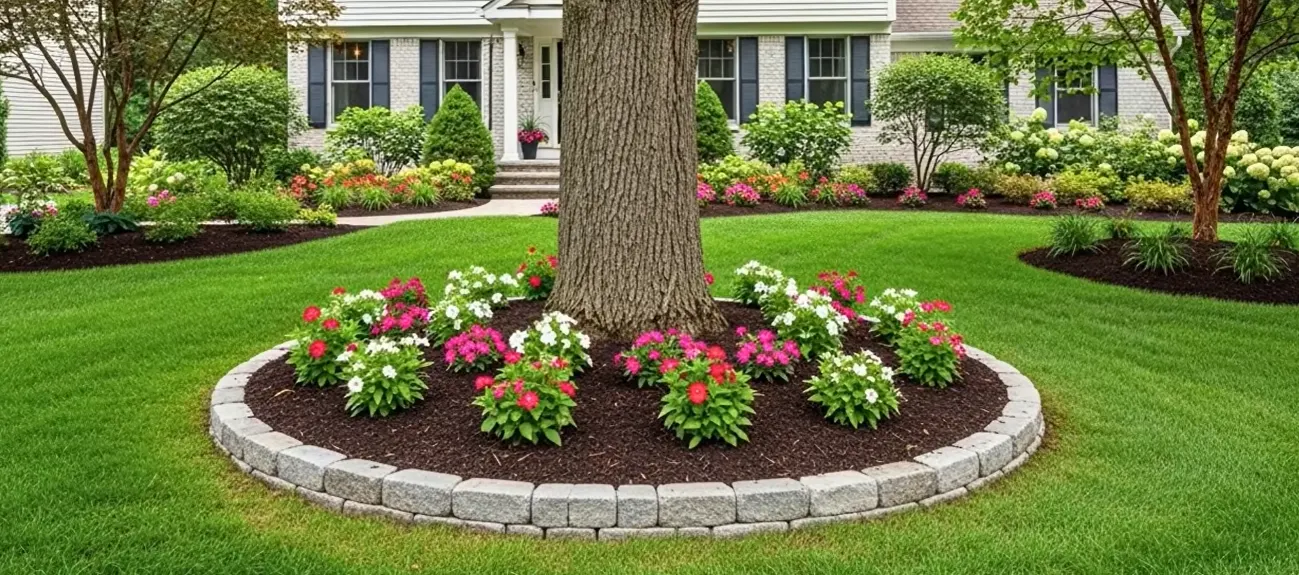
Mulch is a protective layer placed over the soil surface around appropriate landscape plants. When installed correctly, organic mulch can help reduce moisture loss, moderate soil temperature, and limit the germination of some weeds. As organic materials gradually decompose, they also contribute organic matter to the soil.
Common benefits of well-maintained mulch beds include:
Mulch does not eliminate weeds or replace proper watering and soil care. Its performance depends on the material used, the depth applied, the condition of the bed, and the site's drainage characteristics.

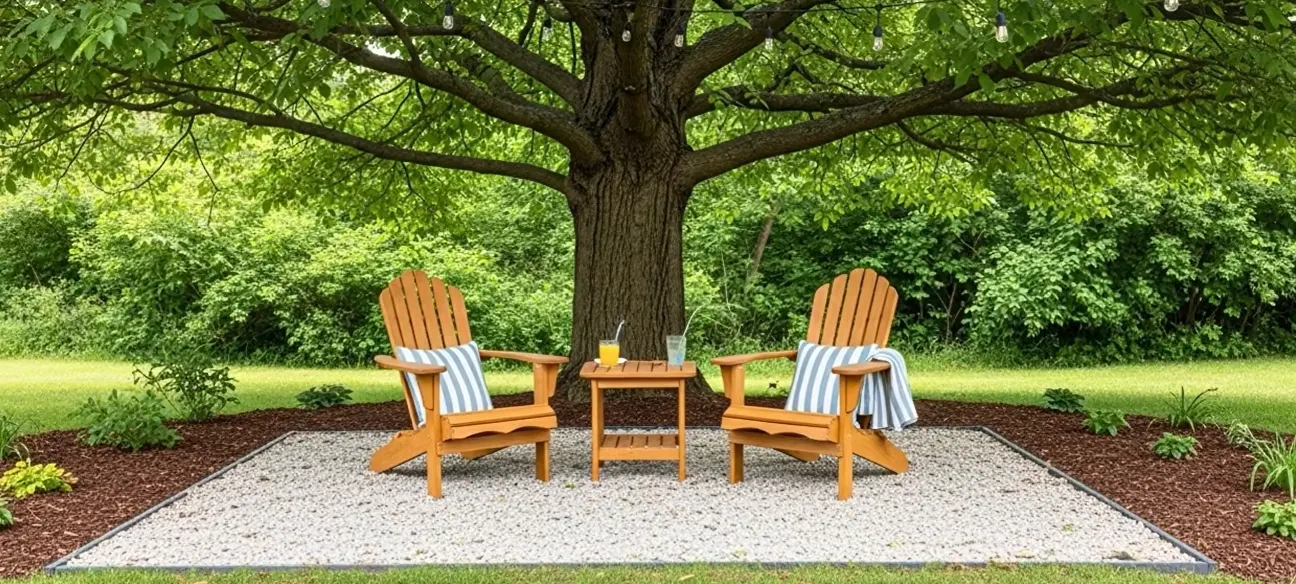
Different mulch materials create different visual effects and have different maintenance requirements. Shredded bark and wood mulch are common choices for residential planting beds. Other suitable organic materials may be selected according to availability, plant needs, and the desired appearance.
Color is also a design consideration. Natural brown mulch often creates a subtle, traditional appearance, while darker mulch can provide contrast against green foliage and flowering plants. The best choice is one that complements the home's exterior, nearby stonework, and overall landscape style.
Mulch should generally be applied in an even layer appropriate for the material and site. Excessive depth can restrict airflow and moisture movement around plant roots. Mulch should never be piled against tree trunks or shrub stems because persistent moisture and poor airflow can contribute to plant health problems.
The shape and edge of a mulch bed influence the entire landscape's appearance. Smooth curves can soften a property with strong architectural lines, while geometric beds may complement contemporary buildings and formal gardens. Bed shapes should follow the site's layout rather than create awkward mowing angles or interfere with pedestrian access.
Natural stone, granite, brick, metal edging, and other suitable materials can help define bed boundaries. Stone edging is particularly effective when coordinated with granite steps, retaining walls, patios, and walkways. Reclaimed granite or natural stone can introduce texture and a distinctive character while reinforcing the relationship between planting and hardscape construction.
Edging should be installed with attention to stability, drainage, and grade transitions. Beds should not obstruct water flow toward buildings or create trip hazards near walkways and entrances.
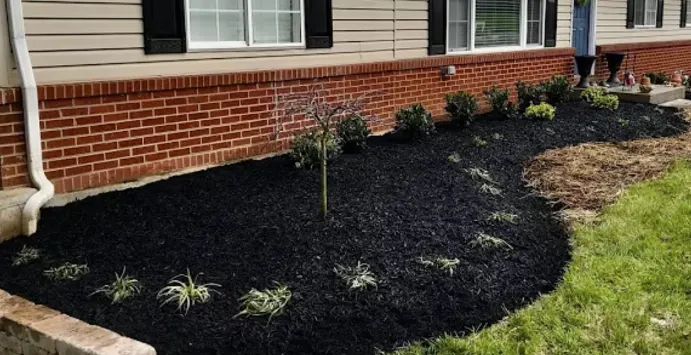
Before installing mulch, the area should be assessed for existing vegetation, soil condition, drainage, and underground utilities where digging is planned. Persistent weeds may require targeted removal, and compacted or poorly draining soil may need attention before new planting begins.
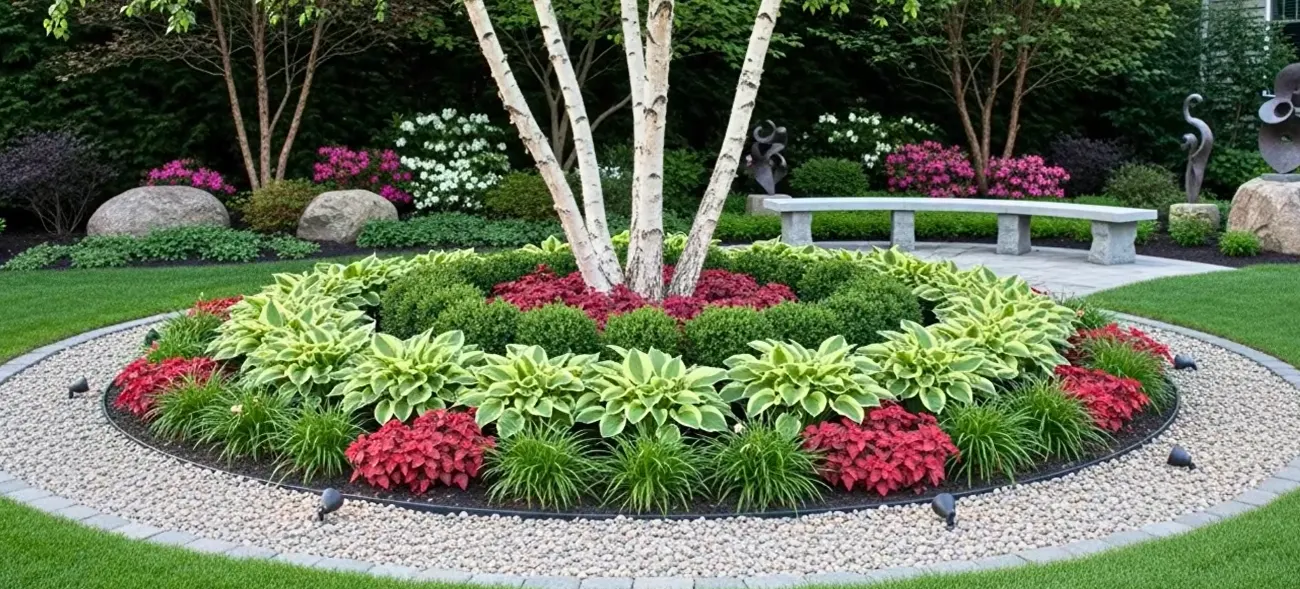
A successful mulch bed can include a combination of shrubs, perennial flowers, ornamental grasses, ground covers, and specimen plants. Plant spacing should account for mature size so the bed does not become overcrowded as vegetation develops.
Landscape fabric is not always necessary and may complicate future planting or maintenance in some beds. The appropriate approach depends on the site, the weed pressure, the mulch material, and the intended planting plan.
Mulch beds benefit from periodic inspection, weed removal, pruning, and replenishment when the existing layer has broken down or become thin. Spring is a common time to assess beds after winter, repair edges, and refresh the landscape's appearance. However, adding new mulch should be based on the actual condition and depth of the existing material rather than an automatic annual schedule.
Manchester's changing seasons make drainage and erosion management particularly important. Sloped beds may require additional planning to keep mulch from washing onto lawns or walkways during heavy rain. Proper grading and suitable edging can help reduce these issues.
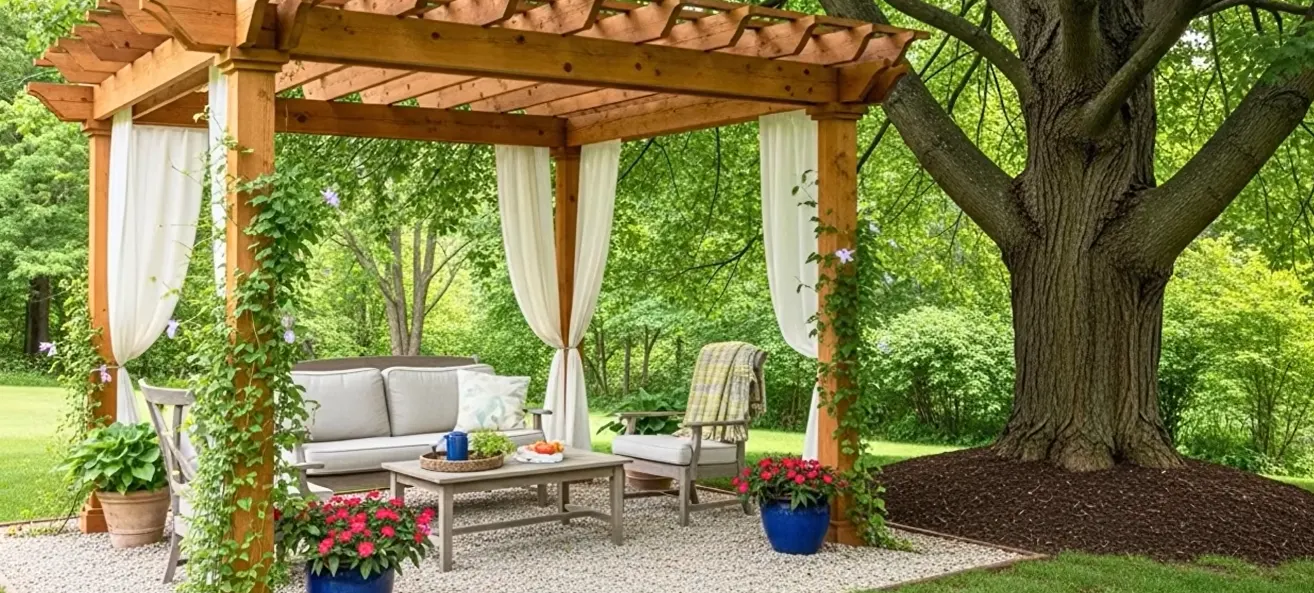
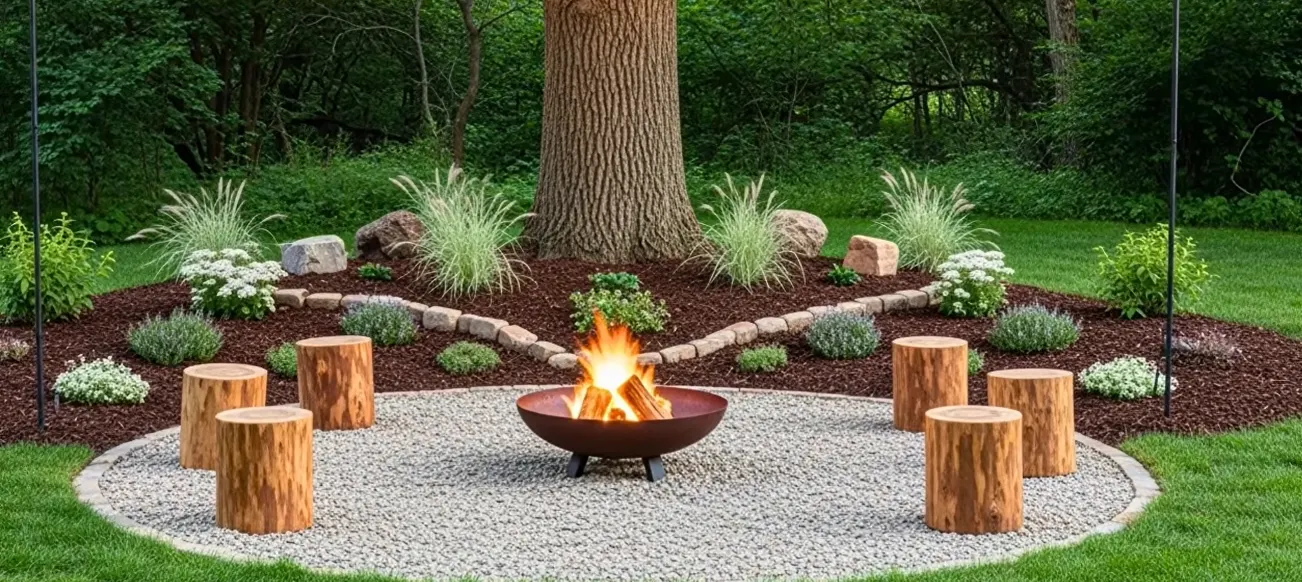
Above Grade Landscape & Design helps homeowners and commercial property owners create mulch beds that complement the architecture, plantings, and hardscape features of their properties. Whether you need refreshed foundation beds, tree rings, defined garden borders, or a coordinated landscape renovation, careful planning can produce a cleaner and more cohesive result.
Contact Above Grade Landscape & Design to discuss mulch bed installation and landscape improvements in Manchester, NH. We can help you explore suitable materials, bed layouts, and planting combinations that support the appearance and function of your outdoor space.